The world is once again paying attention to a new COVID variant 2026 known as the Cicada variant BA.3.2. As global health agencies monitor its spread, people are searching for answers about its symptoms, severity, and how it compares to earlier strains. Although there is no immediate cause for panic, staying informed about this latest COVID variant news is essential for public safety.
What is the Cicada COVID Variant BA.3.2?
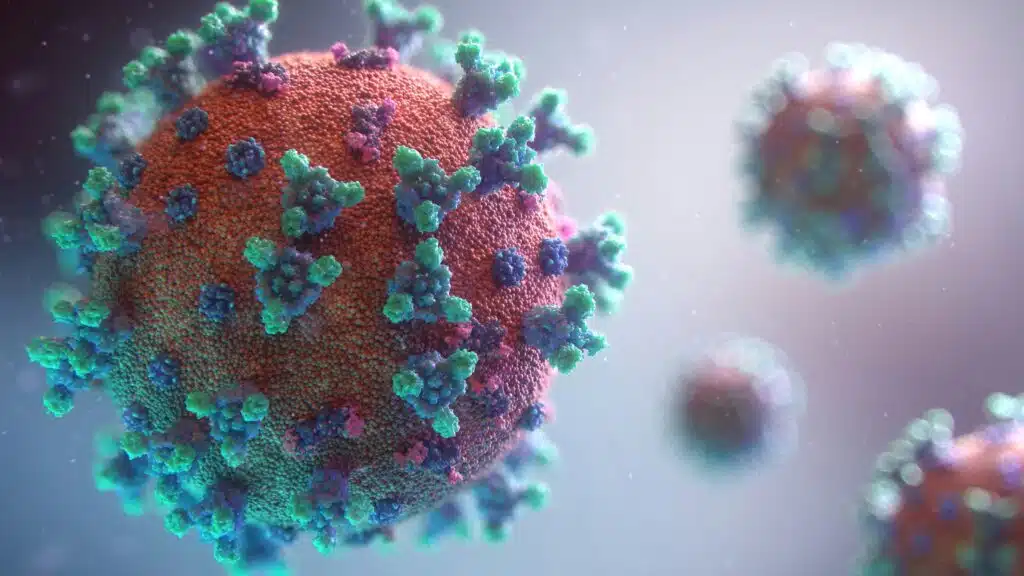
The BA.3.2 variant, nicknamed Cicada, is a subvariant of the Omicron lineage of the coronavirus. It was first detected in South Africa in late 2024 and began spreading globally in 2025. The name Cicada comes from its pattern of disappearing and then re-emerging, much like the insect. This variant has now been reported in more than 20 countries and is being closely monitored by health authorities worldwide. One of the key concerns is its high mutation rate, with around 70–75 mutations in the spike protein, which may impact immunity and transmission.
How Fast is the BA.3.2 Variant Spreading?
The Cicada variant spread has been observed across multiple regions, including the United States and Europe. It has been detected in dozens of states and countries through clinical testing and wastewater surveillance. Despite its rapid spread, experts say it behaves similarly to previous Omicron variants in terms of transmission.
Trending Keyword Insight:
Is BA.3.2 spreading fast? → Yes, but not unusually compared to Omicron Global COVID update 2026 → Variant under monitoring, not yet dominant
BA.3.2 Symptoms: What to Watch For
One of the most searched topics is BA.3.2 symptoms. According to early reports, symptoms are largely similar to previous COVID variants.
Common Symptoms:
Severe sore throat (key symptom) Fever and chills Dry cough Fatigue and weakness Headache and muscle pain Nasal congestion or runny nose Loss of taste or smell (in some cases) Mild breathing difficulty
Is the Cicada Variant More Dangerous?
No strong evidence of increased severity Most cases are mild to moderate Similar hospitalization risk as Omicron
However, due to its mutations, it may:
Partially evade immunity Cause reinfections Spread easily among vulnerable populations
Vaccine Effectiveness & Immunity
Another trending query is: Does vaccine work on BA.3.2? Health experts say: Vaccines still protect against severe illness Immunity may be slightly reduced Booster doses remain important
COVID Precautions for BA.3.2
Even though the variant is not classified as highly dangerous, following basic precautions remains crucial. Recommended Safety Measures: Wear masks in crowded places Maintain hand hygiene Avoid close contact if symptomatic Stay updated with vaccinations Test if you have symptoms
Who is at Higher Risk?
Like previous COVID strains, certain groups should remain cautious: Elderly individuals Pregnant women People with chronic illnesses Immunocompromised individuals
Should You Be Worried About BA.3.2?
The latest COVID variant news suggests that BA.3.2 is a variant under monitoring, not a major threat at the moment. While its mutations and spread are being studied, there is no indication of a global emergency similar to earlier waves. 👉 Key takeaway: Stay alert, not alarmed Follow precautions Keep vaccinations updated
Final Thoughts
The Cicada COVID variant BA.3.2 is a reminder that the virus continues to evolve. While it shows higher mutations and steady spread, its impact remains similar to previous Omicron subvariants so far.
Understanding BA.3.2 symptoms, spread, and precautions can help individuals stay safe without panic. As scientists gather more data, staying informed through reliable updates will be key in navigating this phase of the pandemic.















Comments
Leave a comment