If you have ever come down with sudden, watery, almost explosive diarrhea after eating fresh produce, you might have been dealing with more than a simple stomach bug. Cyclosporiasis — an intestinal infection caused by the microscopic parasite Cyclospora cayetanensis — is one of the more underappreciated culprits behind seasonal foodborne illness outbreaks, and it tends to hit hardest in the warmer months.
What Is Cyclosporiasis?
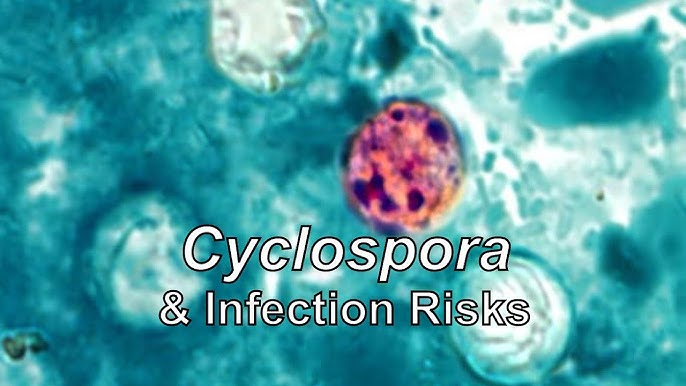
Cyclosporiasis is caused by a single-celled parasite that infects the small intestine. Unlike bacteria such as E. coli or Salmonella, Cyclospora cayetanensis is a protozoan, which means it has a more complex life cycle and behaves differently once it is inside the body. People typically pick up the infection by consuming food or water contaminated with the parasites oocysts (a hardy, egg-like resting stage that lets the organism survive outside a host for extended periods).
Fresh produce is the most common source. Over the years, outbreaks have been linked to items like: Fresh basil and cilantro Raspberries and other imported berries Pre-packaged salad mixes Snow peas and other leafy greens Because these foods are often eaten raw, there is no cooking step to kill off the parasite before it reaches your gut.
The Hallmark Symptom: Explosive Diarrhea
The signature symptom that sends most people to urgent care is sudden, watery, and often explosive diarrhea. This is not your garden-variety upset stomach — it can strike multiple times a day and last for weeks if untreated. Other common symptoms include:
Loss of appetite and unintended weight loss Bloating and gas Stomach cramps Nausea, and sometimes vomiting Fatigue and low-grade fever A relapsing pattern, where symptoms improve and then return What makes cyclosporiasis particularly frustrating is its tendency to wax and wane. Someone might feel better for a few days, only to be blindsided by another wave of symptoms — a pattern that can drag the illness out for a month or more if it goes undiagnosed.
Why Outbreaks Happen
Cyclospora outbreaks tend to cluster around specific growing regions, harvest seasons, and supply chains. Because the parasites oocysts need time in the environment to become infectious, contamination often traces back to agricultural water sources, soil, or handling practices at the farm level rather than something that happens in a home kitchen. This is part of why outbreaks can affect people across multiple states or even countries who all happened to buy produce from the same distributor.
Public health agencies typically identify an outbreak through a spike in reported cases, followed by genetic fingerprinting of the parasite to link cases to a common source. Tracing the contamination back to its origin, however, can take time, since the supply chains for fresh produce are often long and complex.
Diagnosis and Treatment
If you have had diarrhea lasting more than a few days — especially if it is accompanied by fatigue and cramping — it is worth mentioning cyclosporiasis to your doctor, particularly if you have recently traveled or eaten imported fresh produce. Diagnosis usually requires a specific stool test, since Cyclospora is not always caught by standard bacterial cultures.
The good news is that cyclosporiasis is treatable. A course of antibiotics (typically trimethoprim-sulfamethoxazole) is the standard treatment and is generally effective, though people with weakened immune systems may need a longer course or closer monitoring. Left untreated, the infection can persist for weeks and lead to significant dehydration and weight loss, so getting an accurate diagnosis matters.
How to Protect Yourself
While you can not always tell whether produce is contaminated just by looking at it, a few habits can reduce your risk: Wash fresh produce thoroughly under running water, even if you plan to peel it. Stay informed during outbreak season, particularly in summer months when fresh herbs and berries are more likely to be implicated. Watch for public health advisories if you have purchased produce that is later linked to a recall. Seek medical care promptly if diarrhea persists beyond a few days, rather than waiting it out.
The Bigger Picture
Cyclosporiasis is a good reminder that not every case of travelers diarrhea or stomach bug is caused by a virus or bacteria — parasites are very much still in the mix, especially as global food supply chains make it easier for contaminated produce to travel long distances before reaching your plate. Staying aware of current outbreak alerts, practicing good food hygiene, and seeking care for prolonged symptoms are your best defenses against this often-overlooked infection.















Comments
Leave a comment